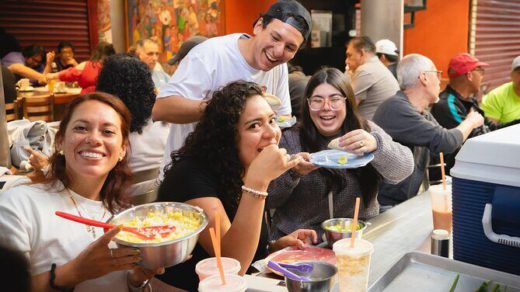
Travel has evolved far beyond taking photographs at famous landmarks or collecting passport stamps. Today, more people are beginning to see travel as an opportunity to understand how others live, think, celebrate, and overcome challenges. Rather than rushing through destinations with packed itineraries, travelers are slowing down to experience the deeper side of culture. This shift is creating more meaningful journeys that leave a lasting impact on both visitors and local communities.
The Difference Between Seeing and Understanding
Many tourists visit destinations without truly connecting with the people who live there. They may explore monuments, dine at popular restaurants, and stay in luxury hotels, but still leave without understanding the local way of life. Cultural travel encourages something different. It asks travelers to engage with traditions, listen to stories, and observe everyday routines with curiosity and respect.
A traveler who spends time in local markets, attends neighborhood festivals, or learns traditional cooking techniques often gains a much deeper appreciation of a place. These moments create emotional connections that cannot be achieved through sightseeing alone. Understanding culture also helps remove stereotypes and encourages empathy between people from different backgrounds.
Learning Through Everyday Experiences
Some of the most valuable travel experiences happen during ordinary moments. Sitting with a family during a meal, using public transportation, or participating in local celebrations can teach lessons that guidebooks never mention. Travelers begin to understand what communities value most and how cultural identity shapes daily life.
This approach to travel often changes personal perspectives as well. Many people return home with greater gratitude, patience, and awareness after experiencing lifestyles very different from their own. Travel becomes less about escaping routine and more about expanding personal understanding.
In today’s connected world, people often share these cultural experiences online through blogs, podcasts, and social media discussions. Topics related to online business australia sometimes highlight how digital entrepreneurs are using travel experiences to build globally inspired businesses that respect cultural diversity.

Respect Creates Better Travel Experiences
Cultural understanding begins with respect. Travelers who take time to learn local customs usually enjoy more authentic and welcoming experiences. Simple actions such as learning a few phrases in the local language, dressing appropriately, or understanding dining etiquette can make a major difference.
Locals are often more open to sharing their traditions when visitors show genuine interest instead of treating culture as entertainment. Respectful travel also supports sustainable tourism because it values communities rather than exploiting them for temporary trends.
Writers and travel contributors are increasingly discussing these ideas on platforms connected with australian business write for us, where travel and cultural awareness are being linked to responsible global engagement and ethical storytelling.
Technology Has Changed Cultural Exploration
Modern technology has made cultural learning easier than ever before. Travelers can now study local history, watch documentaries, communicate with translation apps, and connect with local guides before even arriving at a destination. Digital platforms help people prepare themselves to travel more thoughtfully.
However, technology should support cultural experiences rather than replace them. Constantly looking through a phone screen can prevent travelers from fully experiencing the environment around them. The most memorable moments often happen when people disconnect from digital distractions and become fully present in their surroundings.
Conversations around travel innovation sometimes appear alongside discussions involving latest tech news, especially as artificial intelligence, translation software, and smart travel platforms continue transforming how people interact with different cultures around the world.
Supporting Local Communities
Traveling with cultural awareness also benefits local economies. Instead of spending exclusively on international hotel chains or tourist centered businesses, many travelers now choose locally owned guesthouses, restaurants, artisans, and tour guides. This approach allows tourism revenue to directly support communities while preserving traditional crafts and customs.
Buying handmade products, attending local performances, or participating in cultural workshops creates meaningful exchanges between visitors and residents. Travelers gain authentic experiences while communities gain economic opportunities that encourage cultural preservation.
Business leaders and travel entrepreneurs often discuss these sustainable tourism trends in articles featuring startup insights australia, especially as younger companies explore responsible tourism models designed to protect cultural heritage while supporting local growth.
Travel Encourages Global Understanding
The world becomes less divided when people understand cultures beyond headlines and assumptions. Traveling thoughtfully helps individuals recognize shared human experiences despite differences in language, religion, or traditions. People begin to see that communities around the world value family, hope, security, and connection in remarkably similar ways.
This understanding is especially important in a time when misinformation and online conflict can create unnecessary divisions. Face to face cultural experiences replace fear with familiarity. Travelers often become more open minded because they realize that every culture has something valuable to teach.
Many successful global leaders and australian entrepreneurs credit international travel experiences for shaping their creativity, communication skills, and ability to work across cultures. Exposure to different lifestyles often inspires fresh ideas and stronger emotional intelligence.
The Future of Meaningful Travel
Travel is gradually moving away from fast paced tourism toward more intentional experiences. People are searching for journeys that offer personal growth rather than temporary entertainment. Cultural immersion, community interaction, and authentic learning are becoming more valuable than simply checking famous attractions off a list.
Future travelers will likely continue prioritizing experiences that create deeper human connections. Whether exploring a rural village, learning traditional art forms, or understanding local history through conversations with residents, meaningful travel leaves lasting lessons that extend far beyond the trip itself.
Ultimately, traveling to understand cultures transforms both the traveler and the destination experience. It reminds people that the true value of travel is not measured by distance covered or photographs taken, but by the understanding, respect, and connection gained along the way.