
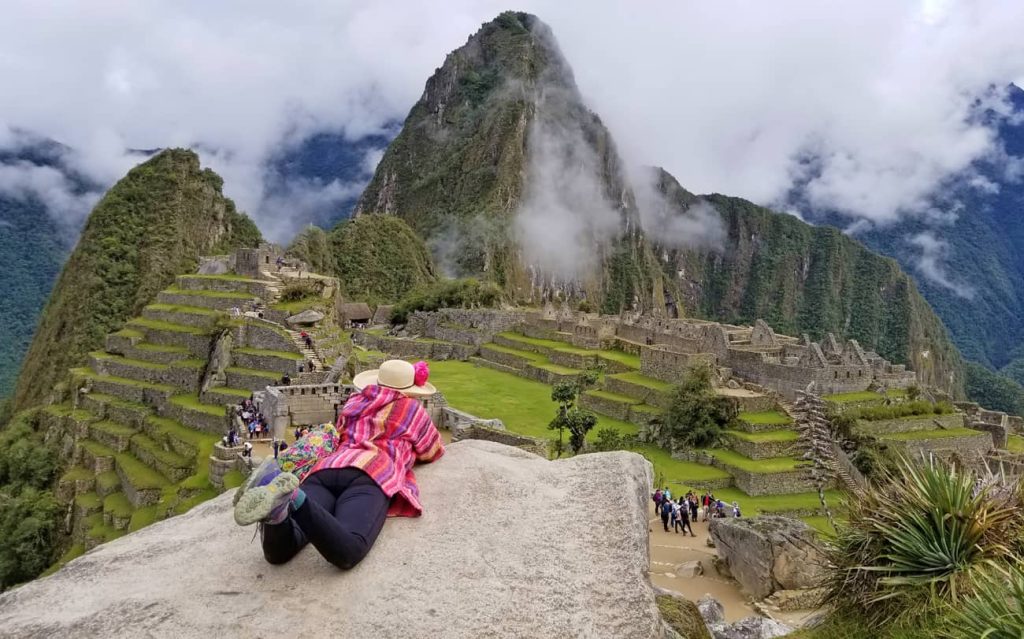
Travel is often planned around famous landmarks. People build itineraries around historic monuments, celebrated museums, iconic streets, beaches, and viewpoints they have seen countless times in photographs. Yet, when travelers return home and begin remembering their journey months or years later, their strongest memories are not always connected to these headline attractions. Instead, seemingly ordinary cultural details often become the moments that give a trip its lasting personality.
A particular greeting from a shopkeeper, the smell of breakfast drifting through a neighborhood, the sound of an evening market, or an unfamiliar local custom can remain surprisingly vivid. These details may never appear on a list of major attractions, but they allow travelers to experience a destination as a living place rather than simply a collection of sights.
Everyday Routines Reveal Local Character
Morning routines can tell visitors a great deal about a destination. In one city, cafes may become busy before sunrise as commuters gather for quick conversations. Somewhere else, markets may slowly come alive as vendors arrange vegetables, flowers, bread, and household goods.
Watching these routines offers an understanding that sightseeing alone cannot provide. Travelers begin noticing when people eat, where neighbors gather, and which activities define different parts of the day. Even ordinary digital references encountered during travel research, such as prerna up.in/login/demo, can become associated with a particular period of planning and discovery. Small contextual details often help people remember not only where they traveled but also what they were doing and learning at the time.
Local Sounds Become Part of the Memory
Every destination has a distinctive soundscape. Church bells, street vendors, bicycles, public transportation announcements, musicians, conversations, birds, and traffic can collectively create an atmosphere that photographs cannot capture.
Travelers rarely put these sounds on an itinerary, yet they frequently become powerful memory triggers later. Hearing a similar train announcement or market call years afterward can instantly bring back memories of a particular street.
Digital information can become part of the wider background of modern journeys too. Someone researching regional information may encounter a phrase such as sts karnataka gov in tet result 2025 pdf download while browsing online. Although unrelated to traditional sightseeing, such specific regional references demonstrate how travel today can involve exposure to local digital systems, terminology, news, and everyday information alongside physical experiences.
Food Culture Extends Beyond Famous Dishes
Trying local food is a familiar part of tourism, but memorable food experiences are not limited to celebrated restaurants or signature dishes. Small customs surrounding meals can be equally fascinating.
Travelers might remember that people stand while drinking their morning coffee, share several dishes at dinner, eat unusually late, or purchase particular snacks during an evening walk. Visiting a neighborhood bakery can sometimes reveal more about daily culture than dining at an internationally recognized restaurant.
The language people use around everyday activities also contributes to cultural understanding. Regional terms, government services, and locally recognized names such as themahabhulekh can appear unfamiliar to outsiders but completely ordinary to residents. Encountering such terminology reminds travelers that every destination has its own administrative and digital culture in addition to its visible traditions.
Conversations Turn Places Into Personal Stories
A famous monument may be visited by millions of people, but a spontaneous conversation belongs specifically to the traveler who experienced it. A restaurant owner recommending a lesser known dish, a taxi driver explaining a neighborhood tradition, or another passenger offering directions can transform an ordinary moment into a personal travel story.
These conversations can also introduce travelers to subjects they would never intentionally research. Local employment, education, construction, agriculture, transportation, and government programs may naturally enter conversations.
For instance, someone traveling through Uttar Pradesh might hear terminology connected with worker welfare and become curious about the upbocw full form or what a particular abbreviation means locally. Such discoveries are small, but they encourage visitors to see destinations beyond their tourism identity.
Language Creates Memorable Connections
Travelers do not need to speak a local language fluently to appreciate its importance. Learning simple greetings, polite expressions, numbers, or food names can create meaningful interactions.
Even signs and official terminology provide clues about local identity. A visitor traveling through Rajasthan, for example, might encounter references to the Apna Khata Rajasthan Official Website while learning about local land related services or searching regional information online. This may have nothing to do with a conventional tourist attraction, yet it reflects another layer of how residents interact with institutions and information.
Language makes unfamiliar surroundings feel more understandable. Successfully ordering a meal or recognizing a phrase seen repeatedly on signs can provide a sense of connection that a photograph beside a landmark rarely creates.
Unplanned Moments Often Become the Best Stories
Highly planned itineraries are useful, but memorable cultural experiences frequently happen between scheduled activities. Travelers may unexpectedly encounter a neighborhood celebration, watch craftspeople working, discover children playing a local game, or spend an evening observing families gathering in a public square.
These experiences cannot always be booked or predicted. Their value comes from their ordinary nature. They show visitors what happens when a destination is not performing specifically for tourists.
Travel Memories Are Built From Details
Famous attractions still matter. They can represent centuries of history, remarkable architecture, natural beauty, or cultural achievement. However, they provide only one part of the travel experience.
The memories that survive longest are often surprisingly small: the taste of a roadside snack, an unfamiliar expression, music coming through an open window, a friendly conversation, or a quiet morning spent watching a neighborhood wake up.
Travel becomes richer when visitors leave enough room to notice these details. Landmarks may explain what makes a destination famous, but everyday cultural moments often reveal what makes it feel alive.


